Forged, Not Found: Why Alignment Is the Real Strategy for 2026
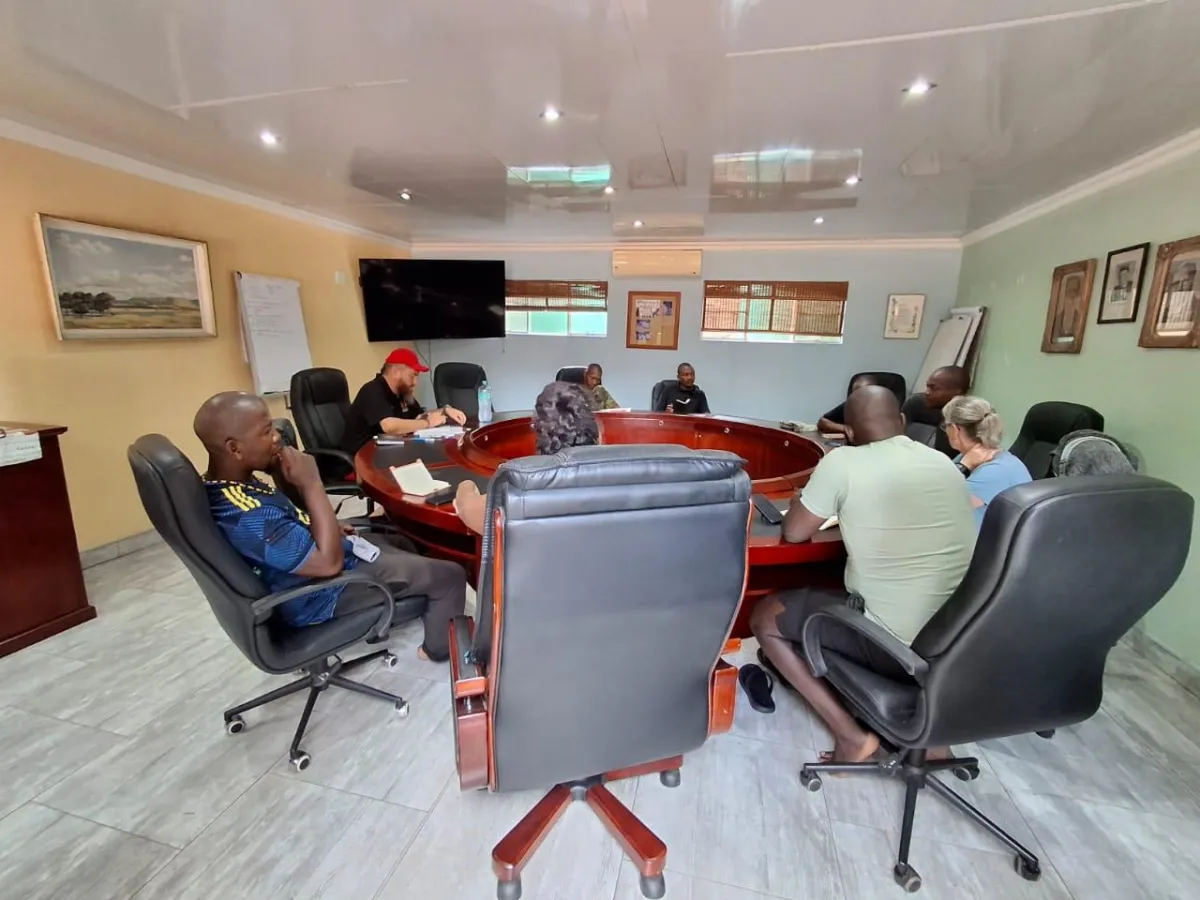
This past weekend, I went away with my team. There were no stages, no audiences, and no performative noise, just the quiet weight of honest conversation and the kind of deep, strategic alignment that cannot be rushed, nor outsourced. We did not gather to escape the work; we gathered to do the work that most organisations avoid until the cost of neglect becomes too high to pay.
We looked back at 2025 with clinical clarity and a refusal to indulge in nostalgia. We spoke openly about what worked, what stretched us, and where we fell short not from a posture of blame, but from a foundation of radical responsibility. Growth only arrives when a team is willing to examine itself without filters. Only then can the future be shaped by intention rather than by mere hope.
The Fallacy of the Strategic Document
Most organisations do not suffer from a lack of strategy; they suffer from a lack of cohesion. They possess the requisite job descriptions, the performance frameworks, and the meticulously worded plans. Yet, year after year, leaders are blindsided when execution falters and teams drift.
They forget that clarity is a perishable commodity. Roles evolve, markets shift, and people grow. Without deliberate, rhythmic realignment, even the most elite teams begin pulling in discordant directions. Our time together was about recalibrating that pull. We revisited roles and expectations not because our people were failing, but because the world has changed. With the global economy under pressure and industries being reshaped in real-time, the relevance of twelve months ago is the obsolescence of today. Alignment, in this light, is not an act of control; it is an act of respect. It ensures that every individual knows exactly where they stand and precisely where we are going.
The Two-Way Architecture of Trust
The alchemy of this session lay in its directionality. The conversation did not flow from the top down; it was a reciprocal exchange. It was not merely about what the enterprise expects from the team, but what the team requires from the enterprise.
Modern professionals do not want targets; they want context. They seek to understand how their specific contribution fits into the broader tapestry of our mission. They deserve to be seen not as "human resources," but as human beings with aspirations, pressures, and personal destinies. By creating space for these dialogues, we addressed success not just as an organisational metric, but as a human outcome.
The Discipline of the Forge
During this session, I got to share my word for the year with my team FORGE. Now this is not as a slogan nor is it just a New Year, New Me word of the Year.
Why FORGE?
Strong cultures are forged. High performance is forged. Trust is forged. None of these occur by happenstance. Like steel in the fire, alignment is shaped under pressure, refined through repetition, and strengthened through shared commitment. If you want results, you do not wish for them; you forge them.
Forging requires a relentless intentionality regarding culture. It means ensuring that every member of the collective still believes in the vision, still feels connected to it, and still sees their own future mirrored within it. It is a disciplined, quiet process that happens in closed rooms long before it ever manifests in a balance sheet.
Ubuntu: The Return on Humanity
Our deliberations were anchored by a singular principle: Ubuntu I am because we are.
In a global landscape obsessed with Return on Investment (ROI), we chose to prioritize the Return on Humanity. We asked not only how the business was performing, but how the people were faring. When leaders ignore the emotional and psychological state of their teams, no strategy, however brilliant, can save them.
Ubuntu reminds us that performance and people are not competing priorities; they are an inseparable duality. When teams feel seen, heard, and valued, their commitment deepens. When trust is the bedrock, execution becomes instinctive. This is not "soft" leadership; it is the only leadership that is truly sustainable.
Setting the Tone
As we step into the year ahead, the mandate is clear. We move forward forged by clarity, strengthened by alignment, and grounded in a shared purpose. Every individual knows their role, every person understands the expectation, and most importantly, every member knows they matter.
This is the labour leaders must be willing to undertake if they intend to thrive in an era of uncertainty. Strategy does not live in documents. It lives in people. And when people are truly aligned, the future is no longer something you wait for it is something you build.


